
Introduction to Self-Ligating Braces
Self-ligating braces are a modern way to straighten teeth. Unlike traditional braces, they use a special clip instead of rubber bands. This design helps teeth move more freely. Many people choose self-ligating braces because they want faster results and less discomfort. In fact, self-ligating braces are becoming popular for those seeking quick orthodontic treatment. If you want to know how they work and why they are faster, keep reading.
How Self-Ligating Braces Work
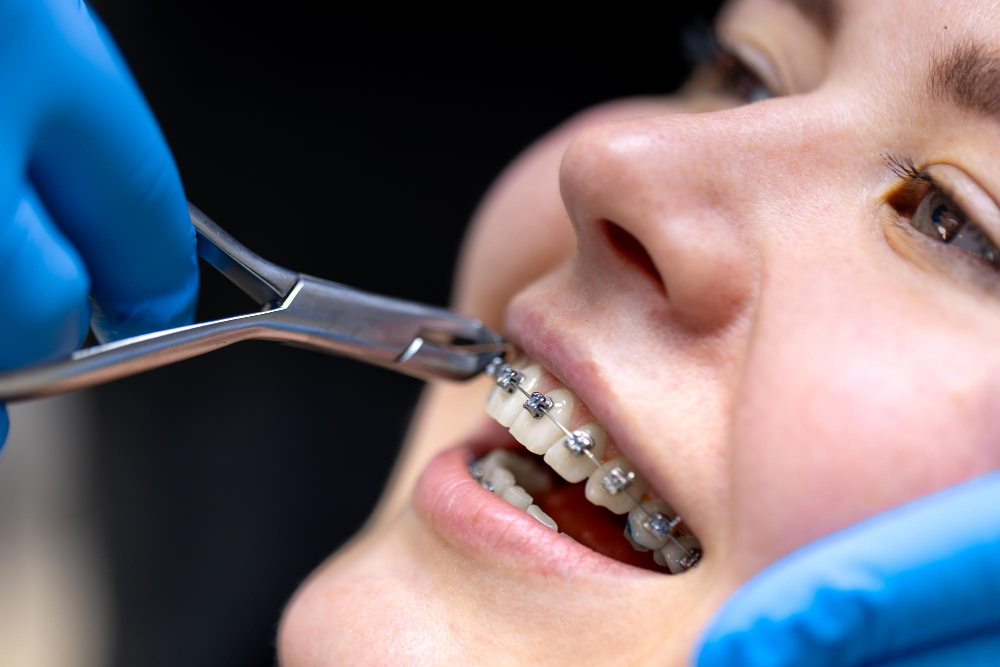
Self-ligating braces use small metal or ceramic brackets. Each bracket has a built-in clip that holds the wire in place. Because of this, there is no need for elastic bands. The wire can slide more easily through the brackets. As a result, teeth can move with less friction. This is different from traditional braces, which use rubber bands to hold the wire. Those bands can slow down tooth movement and may need frequent changes. With self-ligating braces, adjustments are often quicker and simpler.
Why Self-Ligating Braces Are Faster
Many people ask why self-ligating braces work faster. The answer lies in their design. Since the wire moves freely, teeth shift more smoothly. This means less pressure is needed to move teeth. Studies show that treatment time can be shorter compared to regular braces. For example, some patients finish treatment months earlier. Also, fewer visits to the orthodontist may be needed. Because there are no rubber bands, the braces stay cleaner and work more efficiently. This helps speed up the process of teeth straightening.
Benefits and Potential Drawbacks
Self-ligating braces offer many benefits. Some of the main advantages include:
However, there are some drawbacks to consider:
It is important to weigh these pros and cons with your dental specialist.
Who Is a Good Candidate?
Not everyone is a perfect fit for self-ligating braces. However, many teens and adults can benefit from them. Good candidates often include:
On the other hand, people with severe bite problems may need other types of braces. Always ask your orthodontist if self-ligating braces are right for you.
What to Expect During Treatment
First, your orthodontist will examine your teeth and take X-rays. Next, they will place the self-ligating brackets on your teeth. After that, a special wire is threaded through the clips. You may feel mild pressure at first. However, most people adjust quickly. Visits to the orthodontist are usually every 6 to 10 weeks. At each visit, the wire may be changed or adjusted. Because there are no rubber bands, appointments are often shorter. Treatment time varies, but many finish in 12 to 24 months.
Aftercare and Lifestyle Tips
Proper care is important for the best results. Here are some helpful tips:
With good care, you can keep your braces and teeth healthy throughout treatment.
Prevention of Common Issues
Even though self-ligating braces are easier to clean, problems can still happen. To prevent issues:
By following these steps, you can avoid delays and keep your treatment on track.
Conclusion
Self-ligating braces offer a faster and more comfortable way to straighten teeth. They are a great choice for many people who want efficient orthodontic care. However, it is important to discuss your options with a dental specialist. Consult Dr.Raghunandan C to find out if self-ligating braces are right for you.