
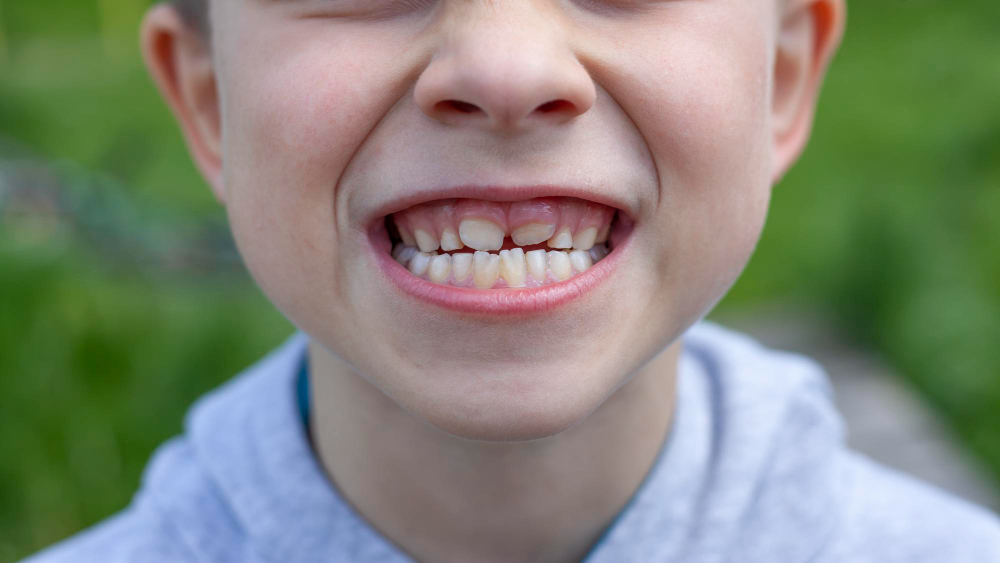
What Are Crowded Teeth in Children?
Crowded teeth in children happen when there is not enough space in the mouth for all the teeth to fit. As a result, teeth may overlap, twist, or grow out of place. Sometimes, baby teeth do not fall out on time, which can make the problem worse. Early dental evaluation helps spot these issues before they become serious. Crowded teeth can affect how your child eats, speaks, and smiles. Therefore, it is important to understand what causes this condition and how to manage it.
Common Symptoms and Signs
Often, crowded teeth are easy to notice. However, some signs may be less obvious. Look for these common symptoms:
Sometimes, your child may not complain. Even so, regular dental checkups can help catch crowded teeth early.
Causes of Crowded Teeth in Children
Several factors can lead to crowded teeth in children. For example, genetics play a big role. If parents had crowded teeth, their children might too. In addition, habits like thumb sucking or using a pacifier for too long can affect tooth alignment. Losing baby teeth too early or too late can also cause crowding. Sometimes, the jaw may be too small for all the adult teeth. Because of these reasons, it is important to watch for early signs.
Why Early Evaluation Is Important
Early dental evaluation offers many benefits. First, it helps dentists spot problems before they get worse. Early treatment can guide teeth into better positions as your child grows. This can make future dental care easier and less costly. Also, early evaluation can prevent pain, speech issues, and self-esteem problems. According to the American Dental Association, children should see a dentist by their first birthday. After that, regular visits help keep their teeth healthy. Therefore, do not wait until your child has pain or trouble eating.
Diagnosis: What to Expect at the Dentist
When you visit the dentist, the process is simple. First, the dentist will look at your child’s teeth and jaw. Next, they may take X-rays to see how the teeth are growing. Sometimes, the dentist will make a mold of your child’s mouth. This helps them plan the best treatment. During the visit, you can ask questions about your child’s dental health. The dentist will explain what they find and suggest next steps. Because early diagnosis is key, regular checkups are important.
Treatment Options for Crowded Teeth
Treatment depends on your child’s age and how crowded the teeth are. Some common options include:
In many cases, early treatment can reduce the need for braces later. However, every child is different. Your dentist will recommend the best plan for your child.
Prevention and Home Care Tips
While you cannot always prevent crowded teeth, some steps can help. For instance, encourage your child to brush and floss every day. Limit sugary snacks and drinks to protect their teeth. Also, help your child stop thumb sucking or pacifier use by age three. Make sure your child visits the dentist every six months. If you notice any changes in your child’s teeth, talk to your dentist right away. With good habits and regular care, you can support your child’s dental health.
Conclusion
Crowded teeth in children can lead to dental problems if not treated early. However, early evaluation by a pediatric dentist can make a big difference. Regular checkups, good home care, and timely treatment help keep your child’s smile healthy. Consult Dr. Raghunandan C for personalized advice and early intervention.