
Introduction
Dental retainers play a key role in keeping your teeth straight after braces or aligners. After months or even years of orthodontic treatment, you want your new smile to last. However, teeth can shift back if you do not use dental retainers. For this reason, wearing a retainer is just as important as the treatment itself. In this blog, you will learn about the importance of dental retainers, retainer care tips, and how to keep your smile healthy.
What Are Dental Retainers?
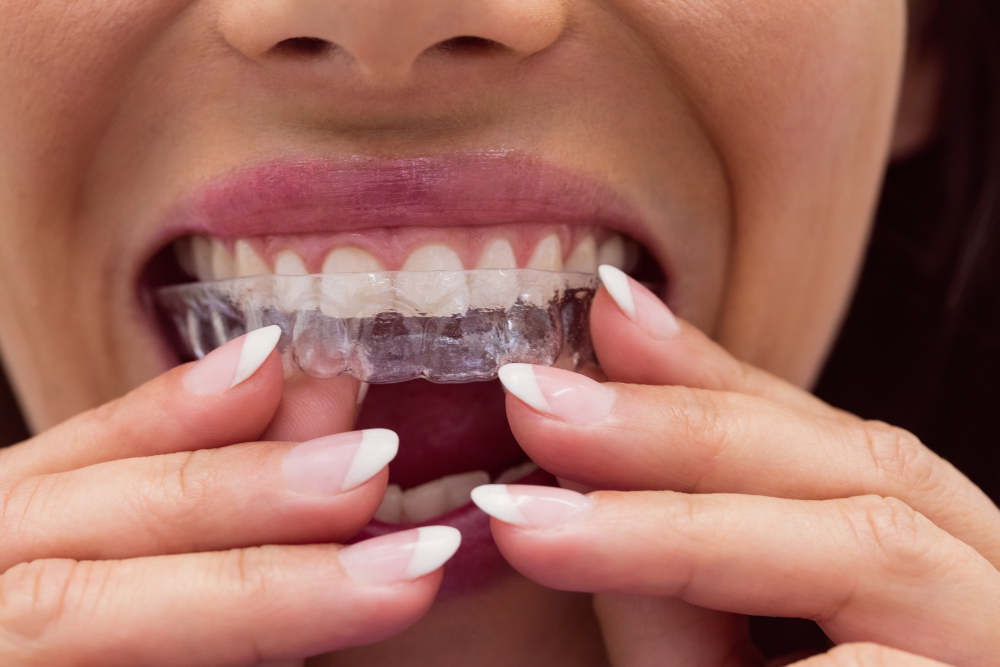
Dental retainers are custom-made devices that help keep your teeth in their new position. Usually, your dentist or orthodontist will fit you for a retainer after your braces or aligners come off. There are different types, but all serve the same purpose: to prevent your teeth from moving back. In short, retainers help protect the results of your orthodontic treatment.
Why Are Retainers Needed After Braces or Aligners?
After braces or aligners, your teeth are more likely to shift. This is because the bone and gums around your teeth need time to adjust. Without a dental retainer, your teeth may slowly move back to their old positions. As a result, you could lose the straight smile you worked hard to achieve. Wearing a retainer helps with orthodontic retention and keeps your teeth in place. In many cases, dentists recommend wearing retainers every night for the best results.
Types of Dental Retainers
There are several types of dental retainers. Each has its own benefits and care needs. Here are the most common types:
Your dentist will help you choose the best type for your needs.
How to Care for Your Retainer
Proper care keeps your retainer clean and working well. Besides, it helps prevent damage and bad odors. Here are some retainer care tips:
With good care, your retainer can last for years.
Common Myths About Retainers
There are many myths about dental retainers. However, not all are true. Let’s clear up some common ones:
Knowing the facts helps you protect your smile.
Tips for Successful Retainer Use
Wearing your retainer as directed is key. Here are some tips for success:
With these tips, you can keep your teeth straight for years to come.
Risks of Not Wearing Retainers
Not wearing your dental retainer can lead to problems. For example, your teeth may shift back to their old positions. This is called relapse. In some cases, you may need braces or aligners again. Additionally, shifting teeth can cause bite problems or make cleaning harder. Therefore, wearing your retainer helps you avoid extra dental work and costs.
When to Consult Your Dentist
If you have questions about your dental retainer, your dentist is the best person to ask. You should also see your dentist if:
Regular dental visits help ensure your retainer fits well and your teeth stay healthy. In some areas, dental care options may vary, so check with local clinics for support.
For more information, you can visit trusted sources like the American Dental Association (ADA) or the Centers for Disease Control and Prevention (CDC).
Consult Dr. Raghunandan C for personalized advice on dental retainers.